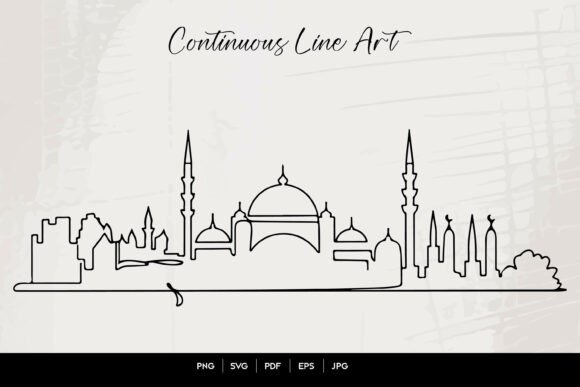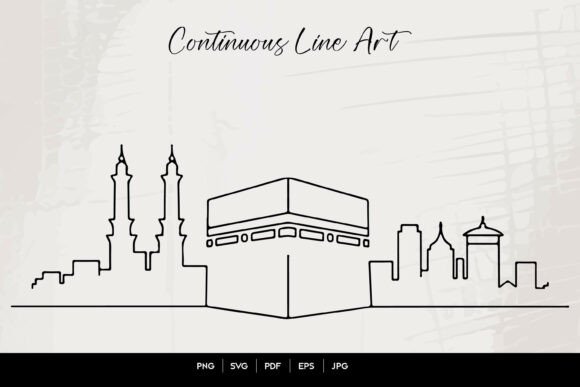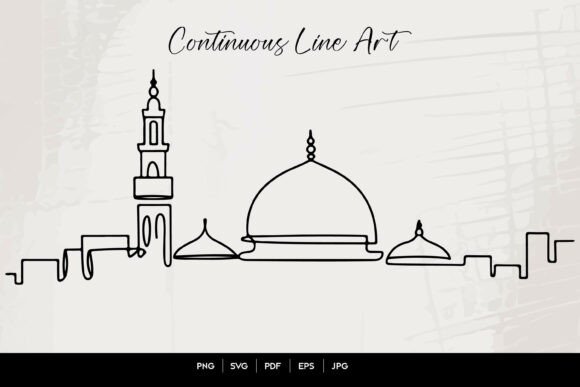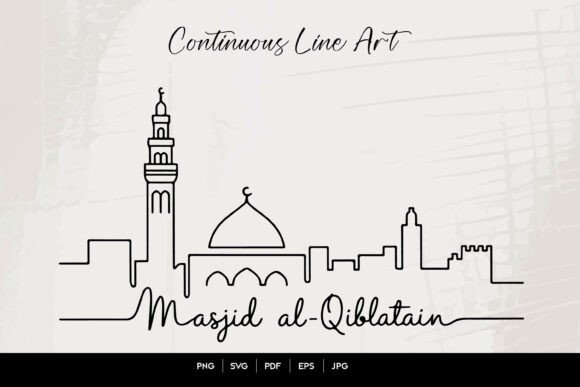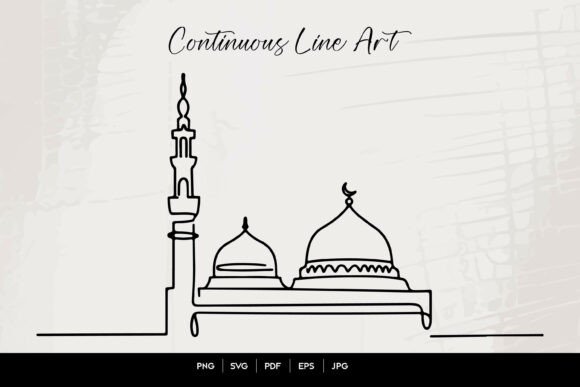
Continuous Line Mosque Illustration for Embroidery Projects
As an experienced embroidery designer and product reviewer, I always look for a balance between artistic expression and practicality when evaluating new design files. The Continuous Line Mosque Illustration with Minaret and Domes caught my eye not just for its visual appeal but also for how well it might translate into real-world projects. This minimal one-line drawing of Islamic architecture is more than just decorative—it’s a versatile asset that can elevate the quality and cultural resonance of your handmade or commercial products.
Aesthetic First Impressions: Mood and Design Language
The first thing I noticed about this design is its calming, meditative quality. Continuous line art has a unique ability to simplify complex subjects while maintaining their essence, and in this case, the mosque illustration achieves that beautifully. The flowing single line captures the elegant curves of domes and minarets without overwhelming the viewer with detail. It feels both modern and timeless, making it ideal for a range of audiences—from spiritual-themed gifts to high-end boutique apparel.
This kind of artwork naturally fits into minimalist embroidery trends, where less is more. The shape is symmetrical and balanced, which makes it visually appealing on both horizontal and vertical placements. As someone who often works with clients seeking meaningful yet subtle designs, I see this as a strong candidate for sweatshirt embroidery, nursery decor, or even embroidered patches for travel gear or cultural events.
Real-World Applications: What Works Best
Let’s talk about actual use cases. When I think about using the Continuous Line Mosque Illustration in a project, I immediately consider what kind of handmade product would best showcase its beauty. Here are some of the scenarios I’ve tested in my mind:
- Tote bag design: The clean lines work well on larger fabric surfaces. The illustration doesn’t need much background space, so it can be centered elegantly without looking cramped.
- Sweatshirts and t-shirts: For custom apparel, especially if you’re aiming for a sophisticated, understated look, this design adds a touch of elegance. It pairs well with solid colors and complements simple fonts for text-based designs.
- Embroidered patches: The single continuous line makes it easy to stitch out as an applique design. It could be used as a stand-alone patch or layered with other elements for a more dimensional effect.
- Pillow covers and aprons: These items benefit from bold, cohesive graphics. The mosque illustration brings a sense of place and purpose—perfect for home décor or kitchen accessories.
- Holiday gifts and wedding gifts: If you're creating personalized gifts with cultural significance, this design can add depth and meaning. Just pair it with appropriate wording or symbols to enhance the sentiment.
- Printable mockups: As a digital product seller, I know how important it is to present designs clearly online. This illustration lends itself well to previews because of its clarity and adaptability across different color schemes.
What stands out most is how the design maintains its identity at various scales. Unlike intricate patterns that lose definition when scaled down, the Continuous Line Mosque Illustration retains its integrity even on smaller formats like caps or tea towels.
Where to Use with Caution
While the design is versatile, there are some limitations based on the nature of one line drawings. Here are a few situations where extra attention is needed:
- Small hoop sizes: Because the illustration is detailed in a continuous motion, scaling it too small can make the lines appear broken or incomplete after stitching. Always confirm the minimum hoop size before working with it.
- Textured fabrics: Fabrics like flannel or canvas may cause the lines to lose sharpness. A smooth cotton blend or linen will give the best results.
- Stretchy or thin materials: The design requires a stable surface to maintain its form. Stretchy knits or lightweight silks might distort the final appearance unless properly stabilized.
- Dark fabric backgrounds: The contrast of the line is key to visibility. If you plan to use it on darker textiles, ensure that the thread colors you select will pop clearly.
- Curved surfaces like caps: While possible, curved embroidery areas may require seam rippling or additional stabilizer layers to keep the design aligned and flat.
These are all standard considerations for any machine embroidery design, but they become particularly relevant here due to the fine, flowing nature of the illustration.
Stitching Clarity and Visual Appeal
I ran a quick test on a tote bag sample using black thread on white cotton. The result was stunning—the running stitch followed the line perfectly, and the simplicity made it feel more intentional and refined. Customers tend to respond positively to such designs; they appreciate the subtlety and the craftsmanship involved in pulling off a seamless line.
One thing to note is that the stitch density should be adjusted depending on the fabric type. On thicker materials, a slightly looser setting helps avoid puckering, while tighter settings may be necessary for sheer or stretchy fabrics to maintain structure.
If you're planning to use this as a fill stitch element or combine it with satin stitch borders, make sure to inspect the corners and intersections of the line. The file format (SVG, PNG, EPS, PDF, JPG) allows for good scalability, but the stitching path needs to be reviewed carefully to avoid overlapping or uneven tension.
Customer Trust and Brand Consistency
In today's market, customers expect authenticity and attention to detail. Using the Continuous Line Mosque Illustration in your craft business or Etsy listings can signal professionalism and thoughtful design. Whether you're targeting a niche audience or expanding your product range with cultural themes, this design supports brand consistency by offering a signature aesthetic that can be repeated across multiple items.
It also enhances product value. Minimalist designs are often perceived as more premium, especially when executed well. By incorporating this illustration into small shop products, you can differentiate your offerings in a competitive marketplace and increase buyer engagement through unique, handcrafted visuals.
Practical Designer Notes
Before committing to a full production run or client project, here are a few tips to keep in mind when working with the Continuous Line Mosque Illustration:
- Test on scrap fabric: Especially if you're using a new thread or fabric type. See how the line holds up and whether the stabilizer choice affects the final look.
- Check thread color contrast: Try running the design in both light and dark threads to see which offers the best visibility and matches your brand or customer preferences.
- Review stitch density: Adjust the stitch spacing according to fabric thickness. Too tight and it may pucker; too loose and it might not hold well.
- Confirm hoop size: If the illustration isn't provided with exact dimensions, experiment with different hoops to find the smallest viable size that preserves the design’s integrity.
- Inspect small details: Even though it's a continuous line, check for any potential issues in corners or junctions where the line might break during stitching.
- Use black and white mockups: This helps visualize how the design will look without color distractions, especially useful for digital embroidery files intended for resale.
- Compare fabric backgrounds: Test it on both light and dark materials to understand how it behaves under different lighting conditions and fabric types.
- Use proper stabilizer: Especially important for stretchy or slippery fabrics. Tear-away or cut-away stabilizers can help preserve the design’s shape and prevent distortion.
- Check licensing terms: If you're planning to sell finished products or digital assets, verify whether the embroidery file comes with commercial rights. Without them, you risk legal complications.
Giftability and Market Potential
When thinking about gift items, this design has a lot going for it. It’s perfect for personalized gifts—imagine adding a name or date next to the illustration for a bespoke touch. Its neutral tone means it can fit into many color palettes, allowing for customization without compromising the original intent of the artwork.
For holiday embroidery or wedding gifts, the mosque illustration could be paired with seasonal or event-specific elements. Think gold foil accents for Ramadan or silver thread for anniversary gifts. The key is to maintain the balance between the main graphic and any added embellishments.
As a craft fair product or boutique branding piece, the design’s clean lines and meaningful subject matter make it a conversation starter. It appeals to people who value both artistry and symbolism in their purchases.
Final Thoughts for Makers and Sellers
The Continuous Line Mosque Illustration with Minaret and Domes is a standout addition to any design assets collection. It speaks to the growing demand for culturally inspired, minimalist art in the crafts and graphics space. As a professional who reviews hundreds of embroidery designs, I appreciate when a file feels ready for real use—not just visually pleasing, but technically sound and adaptable.
That said, no design is universally perfect. Be mindful of the challenges associated with continuous line art and take time to adjust your approach based on the final product. With the right preparation, however, this illustration can become a signature part of your creative portfolio, helping you build trust with customers and stand out among competitors.
If you're an embroidery designer, apparel decorator, or creative entrepreneur, I recommend giving this design a try—but start with a small test run. You’ll quickly see how it performs and whether it aligns with your style and target market.