Reviewing the Cross and Crown Symbol for Real Embroidery Projects
As an experienced embroidery designer and product reviewer, I always look at a new design through the lens of practicality and aesthetic impact. When I first saw Cross and Crown Symbol, I was struck by its bold religious silhouette and thoughtful composition. This isn’t just another Christian-themed graphic—it’s a versatile machine embroidery design that carries both symbolic weight and visual appeal. But before jumping into any project, it's important to consider how this design will perform across different applications and materials.
A First Look: Mood and Visual Personality
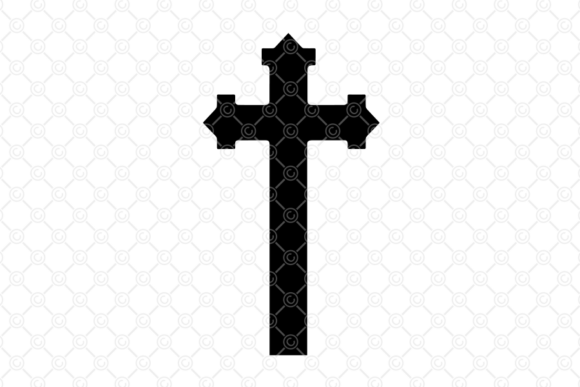
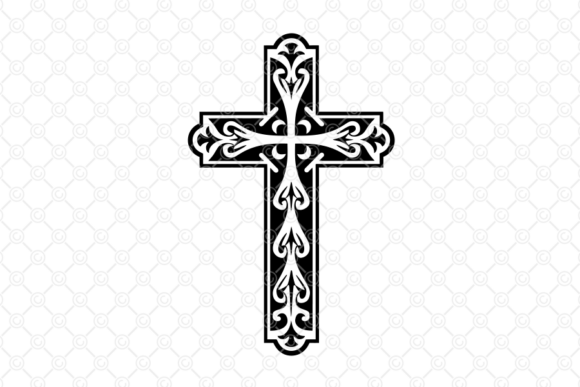
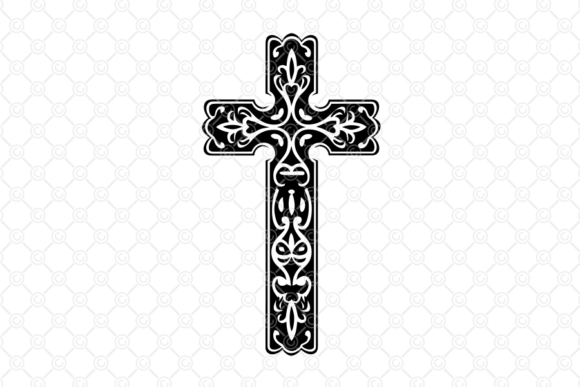
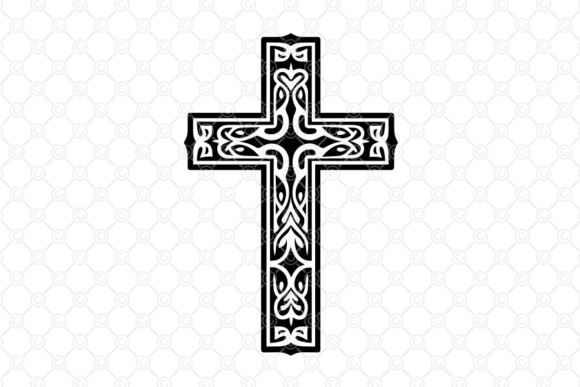
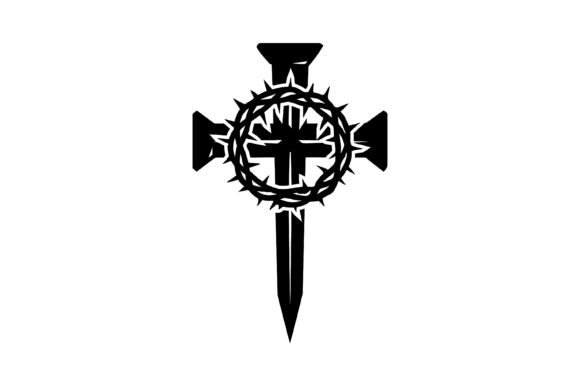
The Cross and Crown Symbol is a minimalist yet powerful representation of faith. The cross is centered, with a crown of thorns subtly integrated above it—perhaps stylized, perhaps more realistic depending on the version you choose. The overall shape feels balanced, which is key when considering placement on apparel or other items where symmetry matters.
I noticed right away that the design doesn’t rely on intricate details or tiny lettering. That’s a big plus. It gives off a calm, reverent mood suitable for both personal and commercial projects. The clean lines and strong focal point suggest it would work well in satin stitch outlines or as an applique design, especially if layered with a soft fill underneath.
Fitting Into Real-World Embroidery Projects
This design has potential across a wide range of crafts. Here are some real-life scenarios where I’ve considered using it:
- Custom Apparel: A sweatshirt or t-shirt with the Cross and Crown Symbol stitched in a dark thread color over light fabric could become a meaningful piece for someone looking to express their faith quietly but clearly.
- Tote Bag Design: For an Etsy seller, placing this symbol near the top corner of a tote bag in a small scale adds a touch of elegance without overwhelming the canvas. It works especially well in SVG format for digital mockups.
- Baby Embroidery: In a more delicate form, such as a simplified version with gentle curves and soft colors, it could be used in a nursery pillow cover or baby blanket—a subtle nod to spiritual values in a handmade product.
- Embroidered Patch: If converted to a running stitch or using minimal fill, this could make a wearable patch for denim jackets or backpacks. The clarity of the silhouette ensures it remains legible even when scaled down.
- Commercial Embroidery: Boutique brands or small shop products that incorporate religious themes can benefit from the professional look of this design. Its editable nature (EPS file) makes it easy to adapt to logos or branding elements.
In each case, the design maintains its identity while adapting to different styles and needs. As a graphics-based craft item, it serves both as a standalone motif and as part of a larger collection of religious design assets.
Stitch Clarity and Fabric Considerations
One thing I always check when evaluating an embroidery file is how it holds up on various fabric textures. The Cross and Crown Symbol performs admirably on medium-weight cotton blends and linen, but I’d advise caution when using it on stretchy or thin fabrics. The crown of thorns detail, while elegant, requires enough fabric stability to prevent distortion during stitching.
If you’re planning to use this on something like a cap or curved surface, you’ll want to test it out first. The design’s structure might need slight adjustments to conform to the curvature without losing its visual integrity. Similarly, on textured surfaces like canvas or felt, the stitch density may need tweaking to ensure it stands out.
Design Notes for Crafters and Entrepreneurs
Here are my key takeaways for anyone planning to use the Cross and Crown Symbol in their next project:
- Test on Scrap Fabric: Always run a sample before committing to a finished product. Especially since the design comes in multiple formats (SVG, PDF, JPEG, PNG Transparent, EPS Editable), testing helps confirm how it translates from digital to physical.
- Check Thread Color Contrast: The design’s visual impact depends heavily on the thread-to-fabric contrast. On darker backgrounds, consider using white or metallic threads to enhance visibility.
- Review Stitch Density: Dense areas, particularly around the crown and cross intersections, may require less stitch coverage to avoid puckering. Use a stabilizer if necessary.
- Confirm Hoop Size: Though not specified in the design contents, hoop size is crucial. If you plan to embroider on a small scale, like for a patch or a holiday gift tag, ensure your hoop accommodates the full design without compression.
- Inspect Small Details: While the design avoids overly complex elements, it still includes fine features like the crown’s texture. These can be tricky on certain machines or fabric types, so double-check how they render after digitizing.
- Use Black and White Mockups: Before finalizing thread choices, create a black-and-white printable mockup to visualize the design’s depth and contrast. This step can save time and materials later.
- Compare Light and Dark Backgrounds: Try the design on both light and dark-colored garments. You might find that it looks stronger in one context than the other, depending on the message you're trying to convey.
- Check Licensing Terms: Since this is a graphics-based design intended for both personal and commercial use, verify the license before selling finished products or digital embroidery files. Some designs come with restrictions that aren’t immediately obvious.
Where to Use Carefully
While the Cross and Crown Symbol is adaptable, there are a few situations where extra attention is needed:
- Small Hoop Sizes: Scaling down too much can compromise the clarity of the crown and cross shapes. Aim for a minimum hoop size that preserves the design’s proportions.
- Textured or Stretchy Fabrics: The design’s geometric structure might not hold up on knits or rough weaves unless properly stabilized and adjusted.
- Layered Garments: Placing the design on a garment with folds or seams can affect how the stitches lie flat. Test placement thoroughly before mass production.
- Detailed Corners: The crown edges are sharp and defined. If you're working with a fabric that frays easily, consider reinforcing those areas with a backing or adjusting the stitch pattern.
- Products That Need Frequent Washing: For items like tea towels or aprons, dense stitch areas can lead to wear over time. Opt for lighter fills or backstitch reinforcement to maintain quality.
Impact on Branding and Customer Engagement
From a business perspective, the Cross and Crown Symbol can significantly boost the perceived value of your handmade product. Religious motifs often resonate deeply with customers, especially for personalized gifts and holiday embroidery. The symbol’s recognizable form enhances giftability and brand consistency, particularly if you're targeting markets that appreciate faith-based design elements.
Its presence on a custom apparel piece or boutique product can also increase customer trust—especially if your craft business is known for thoughtful, meaningful creations. The design’s simplicity and clarity contribute to a professional appearance, making it ideal for Etsy sellers and digital product previews alike.
Final Thoughts for Embroidery Designers
When evaluating Cross and Crown Symbol for real project use, I found it to be a reliable addition to any embroidery designer’s toolkit. It doesn’t demand advanced techniques but rewards careful consideration of placement, fabric, and thread choice. Whether you're creating a small batch of embroidered patches for a local church or designing a line of sweatshirts for a faith-based clothing brand, this design offers a quiet strength that speaks volumes.
Remember, every machine embroidery design behaves differently based on context. So take time to review stitch density, test the design on scrap fabric, and always confirm licensing terms if you're planning to sell finished items or digital embroidery files. With the right approach, Cross and Crown Symbol can elevate your craft business, enhance your handmade product offerings, and bring a sense of purpose to your creative work.