Faux Yarn Crochet Cross Sublimation: A Designer’s Practical Review
As an embroidery designer with years of experience under my needle, I’m always on the lookout for digital embroidery designs that bring a unique visual and emotional tone to projects. When I first encountered Faux Yarn Crochet Cross Sublimation, it caught my attention not just for its aesthetic but also for how it could be used across various real-world applications. This design isn’t just another decorative pattern—it tells a story through texture and form. Let me walk you through my evaluation from a practical, project-ready perspective.
First Impressions: Texture Meets Simplicity
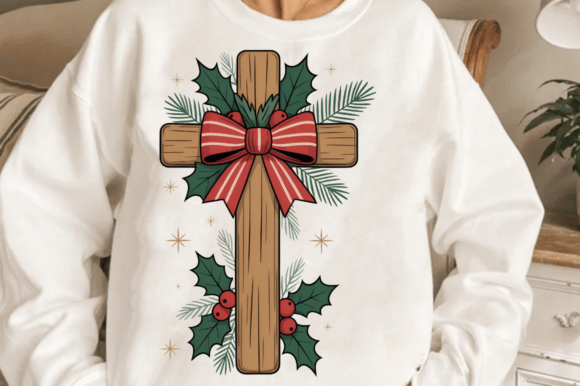
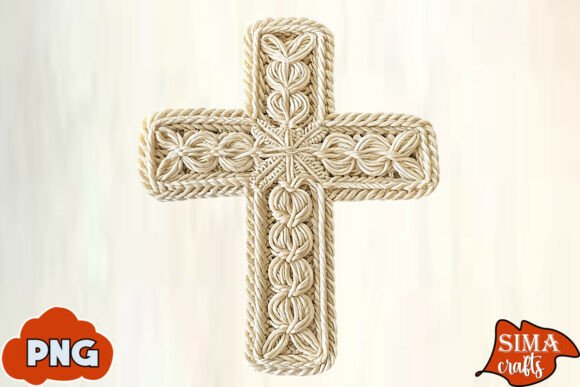
The Faux Yarn Crochet Cross Sublimation design immediately gives off a cozy, artisanal vibe. Its layout is clean and centered, featuring a stylized cross rendered in faux yarn crochet style. The use of loops and knots creates a tactile illusion even in a flat, transparent PNG format. As someone who often works with handmade products, this kind of visual depth is refreshing. It feels like it belongs on a tote bag design, a sweatshirt embroidery piece, or even a nursery decor item—projects where warmth and personality are key.
What stands out most is the balance between detail and simplicity. The cross has enough character to make an impression without overwhelming the fabric. That makes it versatile for both personal and commercial embroidery projects. But before jumping into production, there are a few things every serious embroiderer should consider.
Visual Personality and Project Fit
This design leans into the rustic and bohemian craft trend, which means it pairs well with natural fabrics like cotton, linen, and denim. The faux yarn effect suggests a handcrafted feel, making it ideal for personalized gifts, holiday gifts, or boutique branding. If you’re running an Etsy shop or selling craft fair products, this could add a subtle yet meaningful touch to your offerings.
I can already picture this stitched onto a soft grey sweatshirt for a minimalist look or layered subtly on a white tote bag as a statement piece. The transparent background in the provided digital embroidery file allows for easy placement and blending with other elements, which is a big plus when creating cohesive design assets.
Real-World Performance in Embroidery Projects
Let’s get down to the nitty-gritty of what happens once the design hits the hoop. While we don’t have exact stitch counts or machine compatibility info (which I recommend confirming before finalizing a project), the overall structure appears manageable for most home and studio setups.
- Custom Apparel: On a sweatshirt or t-shirt, this design would work well as a front-center graphic or back-neck accent. The faux yarn texture adds dimension without being too bulky, which helps maintain comfort and wearability.
- Tote Bag Design: Stitched onto a canvas tote, it becomes a standout feature. The contrast between the cross and the fabric really pops, especially if using multiple thread colors to mimic the “yarn” look.
- Baby Clothes & Nursery Decor: The gentle curves and organic feel of the cross make it suitable for baby items. Just ensure the thread colors you choose are soft and safe for skin contact.
- Embroidered Patches: With the right stabilizer, this could be transformed into a patch for bags, jackets, or denim. The intricate lines may require some extra care when trimming around the edges.
- Kitchen Towels & Pillow Covers: These are great surfaces for this design. The illusion of texture plays nicely against the smoothness of cotton, giving the finished product a farmhouse-style charm.
One thing I’ve noticed is that the design’s appeal grows with the right placement and fabric choice. For instance, positioning it near the hem of a dress might lose impact due to movement and layering, while placing it on a structured apron or pillow cover enhances its presence.
Where to Use Faux Yarn Crochet Cross Sublimation with Caution
While this design has a lot going for it, there are situations where it might not perform as expected. Here are a few red flags based on my experience:
- Small Hoop Sizes: The cross features several small, detailed elements that may get lost or distorted if forced into a tight hoop. Always confirm hoop size requirements before starting.
- Textured Fabrics: Fabrics like flannel or twill can interfere with the stitching clarity. The raised faux yarn effect might become uneven or matted depending on the fabric’s nap.
- Thin or Stretchy Fabric: Delicate materials such as stretchy knits or silk blends might not hold up well under dense stitch areas. You’ll want to test stitch density and use appropriate stabilizer to prevent puckering.
- Dark Backgrounds: The transparency of the PNG file makes it easy to visualize, but the actual visibility of the cross will depend heavily on the fabric color. Darker shades may dull the design unless high-contrast threads are selected.
- Curved Surfaces: If you're considering this for caps or curved garments, know that corners and angles may shift slightly during stitching. Always do a mockup or adjust the design accordingly.
- Products That Need Frequent Washing: Dense stitch areas and the faux yarn appearance may fade over time with repeated laundering. Consider using quality threads and pre-washing fabric to minimize shrinkage and distortion.
Design Impact on Your Craft Business
From a business standpoint, the Faux Yarn Crochet Cross Sublimation can elevate your small shop product line by adding a handmade touch to mass-produced blanks. Whether you're an apparel decorator or a craft business owner, this design can help build customer trust by showcasing your attention to detail and quality.
When used correctly, the cross enhances product value and giftability. Customers love knowing they’re getting something unique, and the faux yarn style suggests a thoughtful, artisan-made process—even if it's machine-stitched. It also contributes to brand consistency, especially if your shop focuses on cozy, nature-inspired themes.
On printable mockups, the design looks great as a preview for digital product sellers. Its clear lines and recognizable shape make it easy to render accurately in different contexts, helping boost buyer engagement before the actual stitch is made.
Designer Notes for Optimal Results
Before using this design in any embroidery project, here are a few best practices I follow:
- Test on Scrap Fabric: Especially if you plan to sell the finished product, testing is non-negotiable. It helps catch issues with stitch density, thread tension, and fabric behavior early.
- Check Thread Color Contrast: The cross relies on visual separation between the stitches and the background. Make sure your chosen thread colors stand out clearly against the fabric.
- Review Stitch Density: High-density areas may cause puckering or stiffness. Adjust them as needed for the fabric type and desired outcome.
- Confirm Hoop Size: Even though the product doesn’t specify, it’s crucial to verify whether the design fits within your machine’s recommended hoop sizes.
- Inspect Small Details: Look closely at the loops and knots in the design. They may need tweaking for certain machines or fabrics to avoid mis-stitching.
- Use Proper Stabilizer: Especially on lighter or stretchier fabrics, a tear-away or cut-away stabilizer can make all the difference in keeping the design crisp and intact.
- Test in Black and White: See how the design holds up without color. This helps determine whether it’s strong enough as a standalone motif.
- Compare Light and Dark Backgrounds: Visualize the design on both ends of the spectrum. Will it still look good on a black hoodie or a pastel onesie?
- Confirm Licensing: If you’re planning to use this in commercial settings, double-check the licensing terms. Some digital graphics require attribution or restrict resale of finished goods.
Final Thoughts: A Thoughtful Addition to Your Embroidery Toolkit
The Faux Yarn Crochet Cross Sublimation is more than just a pretty image—it’s a design with intention. It brings texture and soul to otherwise plain surfaces, which is exactly what many handmade shops and creative entrepreneurs are looking for when designing their next collection.
However, like any good machine embroidery design, it needs the right context to shine. Don’t just throw it onto anything hoping for magic. Take the time to understand how it interacts with your materials and tools. After all, the goal is to create personalized gifts and custom apparel that customers will cherish and remember.
If you're ready to give this design a try, start small. Maybe stitch it onto a sample tea towel or a scrap sweatshirt to see how it behaves. Once you're confident, integrate it into your design assets for upcoming holiday embroidery or seasonal collections. And if you're an Etsy seller, consider pairing it with complementary motifs to build a cohesive look across your listings.
In short, Faux Yarn Crochet Cross Sublimation is a solid addition to your crafts and graphics library. Just remember to treat it like any other embroidery file: with curiosity, respect, and a bit of trial and error. The results can be worth it—if done right.