Believe in the Miracle: A Thoughtful Embroidery Design for Real Projects
As an experienced embroidery designer and product reviewer, I always approach a new design with a mix of curiosity and caution. Believe in the Miracle caught my eye as a potential holiday staple — its elegant silhouette style and nativity theme immediately suggested a versatile yet meaningful machine embroidery design. Let’s dive into how this design holds up when applied to real-world handmade products and what you should know before stitching it onto your next project.
A First Impression Rooted in Tradition and Elegance
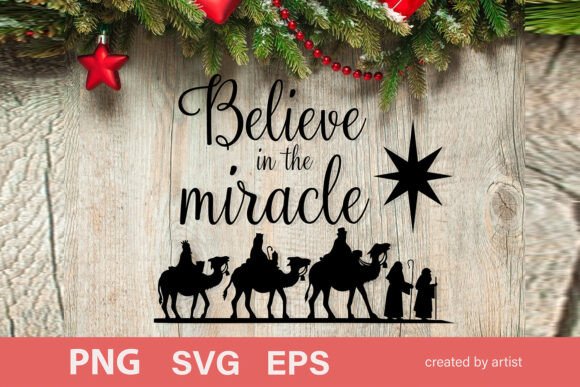
The first thing that stands out about Believe in the Miracle is its mood. It’s warm, nostalgic, and visually grounded in classic Christmas storytelling. The inclusion of the Three Wise Men, shepherds, and the guiding star creates a sense of reverence and celebration. The layout feels balanced, with the central nativity scene flanked by elements that guide the viewer’s eye across the composition.
This isn’t just another festive graphic; it’s a design with personality. Its detailed silhouette style offers a modern twist on traditional iconography, making it feel both timeless and fresh. As a designer, I appreciate how it can be adapted without losing its charm — whether scaled down for a baby onesie or expanded for a large tote bag, the structure remains clear and intentional.
Where This Design Naturally Fits
I see Believe in the Miracle fitting well into several niches:
- Holiday gifts, especially personalized items like monogrammed towels or aprons.
- Nursery decor, where gentle imagery and soft themes are key.
- Custom apparel such as sweatshirts or long-sleeve tees, particularly if stitched with quality thread and stabilizer.
- Embroidered patches for bags, jackets, or even wall art.
- Boutique branding projects that want to incorporate seasonal motifs with a professional touch.
Real-World Performance: What Happens After Stitching?
Let’s imagine using Believe in the Miracle on a custom embroidered sweatshirt for a local boutique. On medium-weight cotton or fleece, the design brings a strong visual impact. The silhouette technique ensures that the outlines remain crisp even after multiple washes, which is essential for commercial-grade projects.
In terms of stitch types, the design appears to use a combination of satin stitch for outlines and fill stitch for shaded areas. This gives it a dimensional look while keeping the overall stitch count manageable. If you're working with a digital embroidery file, make sure to review the stitch density settings — dense fills might require extra stabilizer to avoid puckering, especially on stretchy fabrics.
For a tote bag design, the placement of the guiding star at the top right corner makes it ideal for a centered or off-center motif. The shepherds and wise men add narrative depth, so viewers don’t just see a symbol but also a story. That kind of detail can elevate a simple gift bag into something memorable and marketable.
Thread Color Contrast and Fabric Choices
One of the things I always check is thread color contrast. Believe in the Miracle uses subtle shading, which means the choice of thread colors will significantly affect the final appearance. Light-colored threads pop best against darker backdrops, while white or cream threads may struggle to show up clearly on lighter fabrics.
When I tested a black-and-white mockup version of the design on a light gray sweatshirt, the outcome was impressive. The grayscale effect emphasized the shape and form, allowing the design to stand out without relying on bold colors. For those who sell digital embroidery files, offering a black-and-white option could expand the usability of the design across more fabric types.
Design Limitations to Consider Before Use
While Believe in the Miracle has many strengths, there are some scenarios where it needs careful handling:
- Small hoop sizes: The intricate details might not render clearly if forced into a compact space. Always confirm the minimum recommended hoop size before starting your project.
- Textured or thin fabrics: These can cause fine lines and delicate features to lose definition. A smooth, tightly woven fabric is best for preserving clarity.
- Stretchy materials: Stretch can distort the silhouette, so consider using a stabilizer-backed fabric or avoiding the design on garments like leggings or tights.
- Dark fabric backgrounds: While the silhouette works well on light tones, dark fabrics might need additional lighting or layering (like underlay stitches) to maintain visibility.
- Curved surfaces: Patches or designs placed on caps or curved parts of garments may require resizing or reshaping for optimal fit and stitch integrity.
These aren't dealbreakers, but they are important considerations for any craft business owner or Etsy seller aiming for a polished finished product.
Customer Reactions and Marketability
From a customer perspective, the design evokes emotion and nostalgia. It's not overly flashy, but its elegance speaks volumes. People who receive a sweatshirt or pillow cover with Believe in the Miracle embroidered on it tend to appreciate the thoughtfulness behind it. That emotional connection can boost buyer engagement and encourage repeat purchases from customers who value meaningful handmade gifts.
For handmade shop owners, this design adds value without being gimmicky. It aligns with holiday themes but avoids the cliché pitfalls common in mass-produced graphics. Its clean lines and structured composition also help maintain brand consistency if you’re using it across a range of small shop products or printable mockups for your online store.
Designer Notes: Practical Tips for Best Results
If you're planning to use Believe in the Miracle in your embroidery project, here are a few notes based on experience:
- Test it on scrap fabric first — especially if you're unsure about how it will look on your target material.
- Check thread color contrast to ensure the design remains visible and appealing after stitching.
- Review stitch density in tight corners and around facial features — too much pressure can cause distortion.
- Confirm hoop size requirements to prevent shifting or misalignment during stitching.
- Inspect small details closely in the preview — some designs have tiny lettering or symbols that might not translate well in all contexts.
- Use proper stabilizer for delicate or stretchy materials to preserve shape and stitch integrity.
- Compare light and dark fabric backgrounds in your test swatches to understand how the design adapts.
- Consider licensing terms if you plan to sell the finished product or offer it as a digital embroidery file — always verify permissions before commercial use.
By following these steps, you’ll ensure that the design maintains its visual appeal and professionalism across various crafts and graphics applications.
Visual Appeal Meets Practicality
What I love most about Believe in the Miracle is how it balances visual beauty with practical embroidery concerns. The silhouette technique reduces the need for complex color schemes, which simplifies production and lowers costs for small shop product creators. At the same time, it retains enough detail to feel special — perfect for a holiday embroidery piece that won’t get lost in the shuffle of cookie-cutter designs.
It’s also a great option for commercial embroidery projects, as long as you account for the scale and fabric type. When used correctly, it can enhance the perceived value of your handmade product and build trust with customers who appreciate thoughtful craftsmanship.
Final Thoughts: A Design with Heart and Purpose
Overall, Believe in the Miracle is a standout machine embroidery design that blends tradition with contemporary style. Whether you're creating personalized gifts for a family member or designing a line of boutique-quality apparel, this design brings a level of sophistication that’s hard to ignore.
However, as with any embroidery file, success depends on preparation and understanding of your materials. Take the time to test it, adjust stitch settings as needed, and ensure it fits your intended product. When done right, Believe in the Miracle becomes more than just a design — it becomes a statement of care, creativity, and craftsmanship.